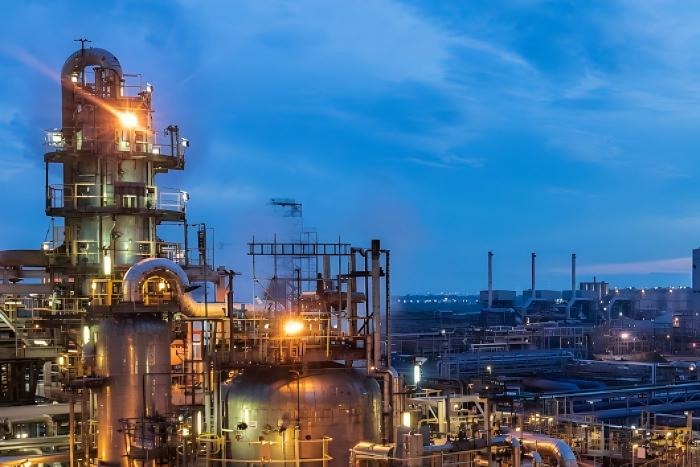
LyondellBasell acetic acid covers glacial and aqueous concentrations for core chemical intermediates. Bouling Group Co., Ltd supplies documented grades with specification review and shipment coordination. Review the range below or contact our team for a quotation.
Request a QuoteBouling Group Co., Ltd supports buyers of LyondellBasell acetic acid with product selection, documentation and logistics coordination. Our work focuses on matching the right concentration to each process rather than offering a single generic option. Every inquiry is reviewed against the grade list and the intended end use before shipment.
Acetic acid is one of the most widely used intermediate chemicals, and the LyondellBasell acetyls portfolio includes glacial and aqueous concentrations for industrial synthesis. Bouling Group Co., Ltd arranges access to these grades and provides the commercial support needed to move material from enquiry to delivery. Our team reviews concentration, intended application and destination with each customer before an order is placed.
Quality support is built around documentation. Product specification sheets and safety information accompany each consignment so that receiving teams can check identity, concentration and handling requirements on arrival. We also coordinate shipment format and paperwork with the consignee, keeping communication direct and practical throughout the process.
Technical questions are handled with the same attention as commercial ones. Whether the requirement is a high-purity glacial grade for chemical synthesis or a lower concentration for controlled dosing, we help translate the process need into a clear product request. This approach reduces mismatches and keeps downstream production planning straightforward.
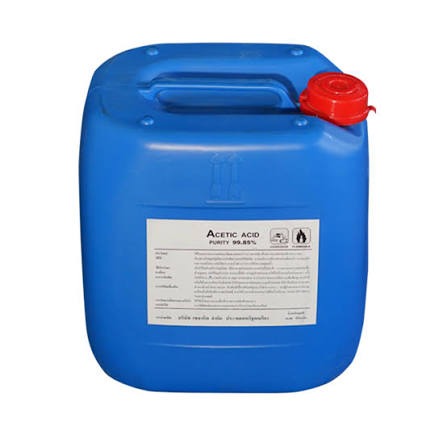
Our acetic acid range spans glacial and diluted concentrations for chemical, food and solvent applications. Each product is offered with clear identification so buyers can select the grade that fits their process. The four areas below describe how the portfolio is used in practice.
Glacial acetic acid is a core acetyls intermediate used in vinyl acetate monomer, purified terephthalic acid and acetic anhydride production.
Acetic acid feeds downstream synthesis of monochloroacetic acid and acetate esters, supporting resins, coatings and specialty chemicals.
Controlled concentrations are used as process solvents and acidulants where a volatile carboxylic acid is compatible with the formulation.
Product and safety documentation accompanies each order, giving your quality team a clear basis for incoming inspection and handling planning.
LyondellBasell acetic acid is a clear, pungent carboxylic acid supplied in glacial and aqueous forms. Glacial grade contains more than 99% acetic acid, while diluted concentrations such as 56% and 50%-80% suit processes that require controlled acidity. The grade list below reflects the concentrations currently requested through our team.
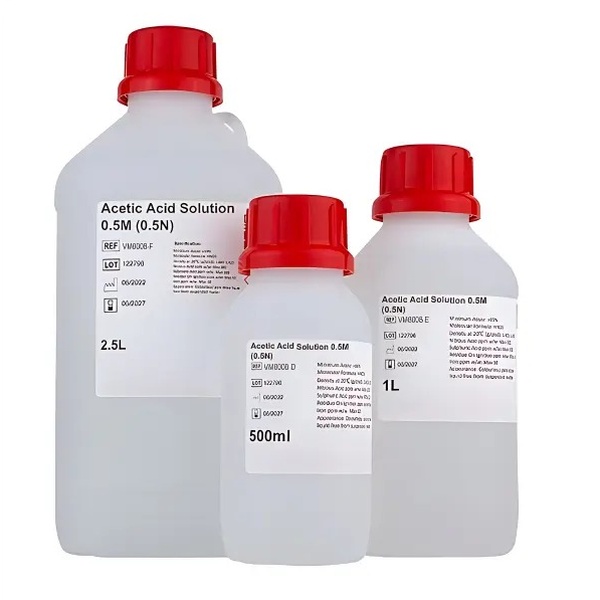
Acetic acid, also known as ethanoic acid, has the formula CH3COOH and a CAS registry number of 64-19-7. In its glacial form it is a colourless liquid that can solidify below roughly 16 °C, so storage and transfer conditions should account for this freezing point. Aqueous grades remain liquid over a wider range and are selected when dosing accuracy and easier handling are priorities.
Glacial acetic acid is miscible with water and many organic solvents, which makes it useful both as a reactant and as a process medium. Its acidity supports esterification, acetylation and neutralisation routes used across chemical manufacturing. Lower concentration grades are chosen where a milder acid strength is sufficient for the process step.
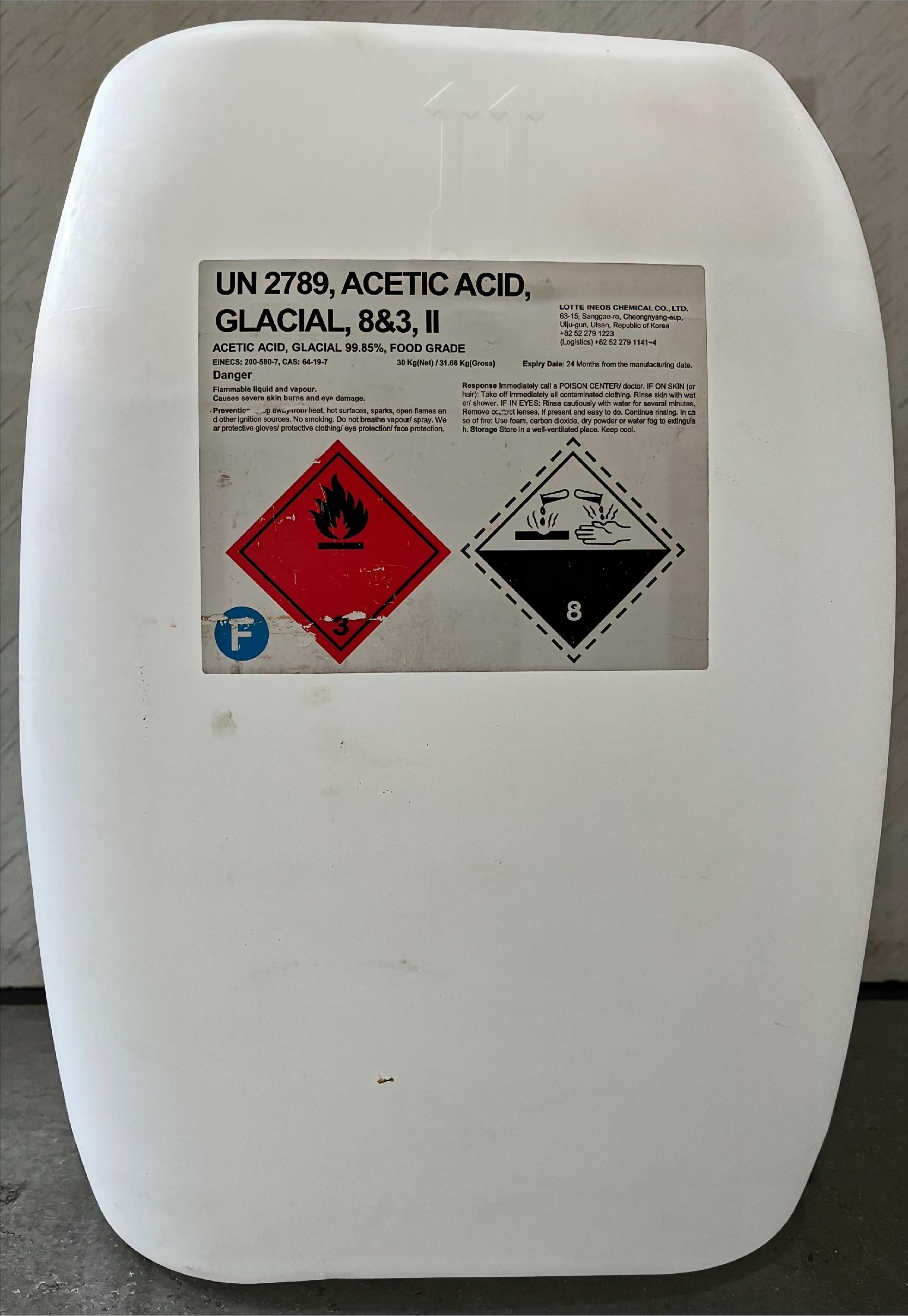
Packaging is selected around the grade, the destination and the receiving site's handling capability. Glacial acetic acid requires compatible, closed containers and clear corrosive-product marking throughout transport. Our team coordinates the shipment format and accompanying documents with the consignee before dispatch.
The figures below describe pure acetic acid and are useful for early process screening, storage planning and safety review. Concentrated aqueous grades differ in density and freezing behaviour, so the final grade data should be reviewed against your selected concentration. Use the values as a starting point for equipment compatibility discussions with your engineering team.
Acetic acid sits upstream of several high-volume material chains and also appears in smaller, tightly controlled formulations. LyondellBasell glacial acetic acid is used in vinyl acetate monomer, purified terephthalic acid, acetic anhydride, monochloroacetic acid and acetate esters. Food grade material serves controlled acidification where the applicable specification permits its use.
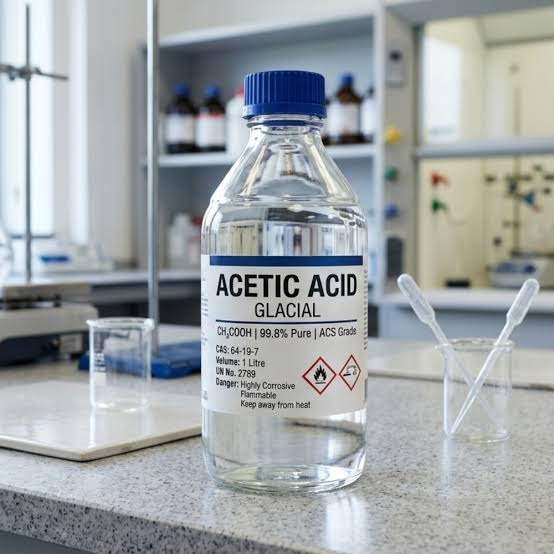
Glacial grade is selected for esterification and acetylation routes where water content must be kept low. It acts as both a reagent and a reaction medium in established acetyls chemistry. Buyers often specify the >99% chemical grade for these processes.
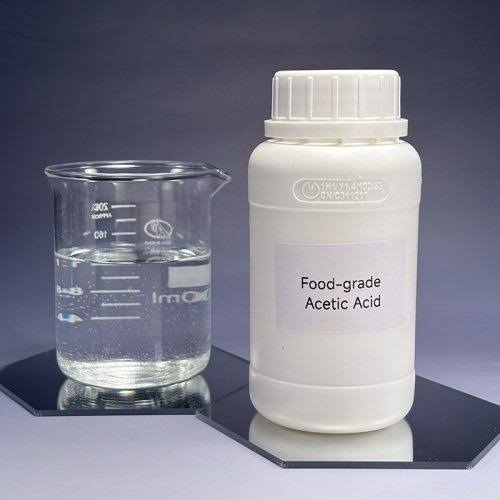
Food grade acetic acid is used for controlled acidification in formulations where acidity and flavour profile matter. Diluted concentrations allow precise dosing into process streams. Documentation accompanies the grade so receiving teams can verify identity and strength.
Each downstream route places a different emphasis on concentration, colour and impurity level. Our team reviews the intended use alongside the grade list so the requested material aligns with the process.
A clear grade definition and a reviewed handling plan are the two basics of working with glacial acetic acid. The sequence below reflects the practical steps our team follows from enquiry to dispatch. Use it as a checklist when raising a new requirement with us.
State the required concentration, intended application and any buyer-specific specification before requesting material.
Check the product specification and safety information with your quality and safety teams ahead of delivery.
Use compatible closed containers, keep material away from ignition sources and account for the freezing point of glacial grade.
Agree shipment format and receiving details with our team so paperwork and material arrive together.
Batch documentation accompanies each order so your quality team can review specification, safety and handling information before use. Glacial acetic acid is corrosive and should be stored in compatible, closed containers away from ignition sources. Our team coordinates shipment documents and packaging format with the receiving site, keeping the handover straightforward.
Temperature control deserves particular attention during storage planning. Glacial acetic acid solidifies near 16.6 °C, so transfer systems in cooler climates may need suitable provision. Diluted grades behave differently and are selected when easier pouring or metering is preferred.
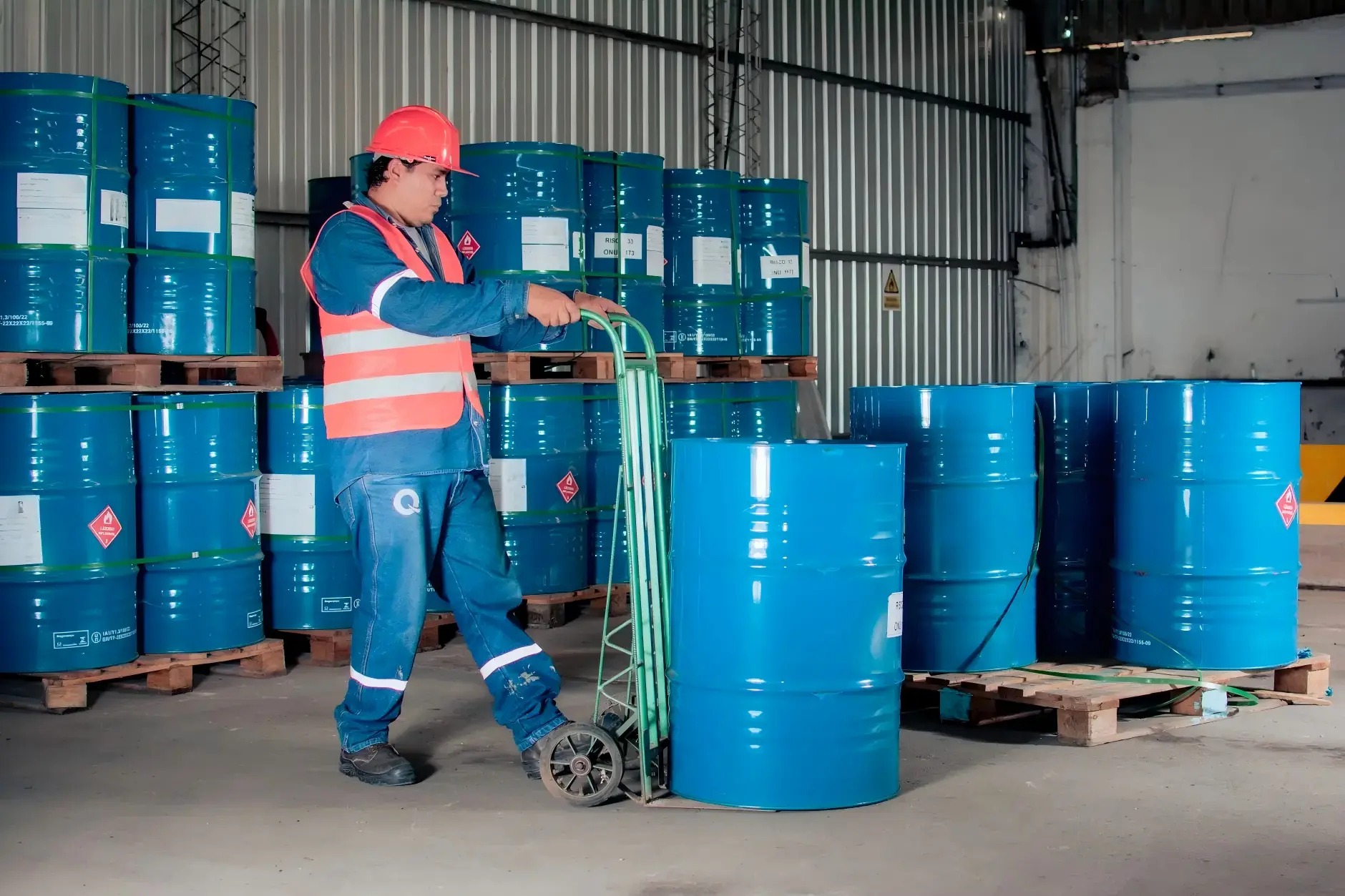
Send your grade, concentration and target market to our sales contact and we will prepare a clear commercial response. We can also review the technical details of your application before you place an order. Reach Quinn Chai directly using the channels listed below.